

A CONCOURSE OF HUMAN EMOTION
Every passage through the sprawling expanse of an airport is an intimate pilgrimage, a breathtaking journey that plunges deep into the heart of our shared humanity. Here, the air vibrates with breaths held and sighs released, where time itself seems to pause as lives intertwine for mere moments, only to be suspended in the bittersweet melody of existence. The hustle and bustle within these walls is not merely a cacophony of arrivals and departures; it is a grand performance, a dramatic symphony played out in a space that cradles the delicate balance between hope and heartache.
An airport, with its gleaming terminals and echoing announcements, rises far above its functional purpose. It becomes a canvas painted with the hues of our emotional spectrum, each swirl a story waiting to be told. In the poignant embrace of a departure lounge, farewells cling to the atmosphere like the faintest notes of a lingering song. Parents clasp their children tight, eyes shimmering with tears that tell stories of pride, fear, and an unyielding love that cannot bear to see them go. Couples, lost in their own universe, share a gaze that speaks of promises made and distances to be bridged—a connection that defies geography, suspended in the space between heartbeats.
Within this vibrant mosaic, each departure marks a farewell, the quiet closing of a chapter that bleeds into the emergence of another, a tender waltz through the thresholds of longing and fulfillment. The air thickens with unsaid goodbyes, as sincerity flutters like moths around a flame, illuminating the collective ache and anticipation that fills each ticker tape of human experience.
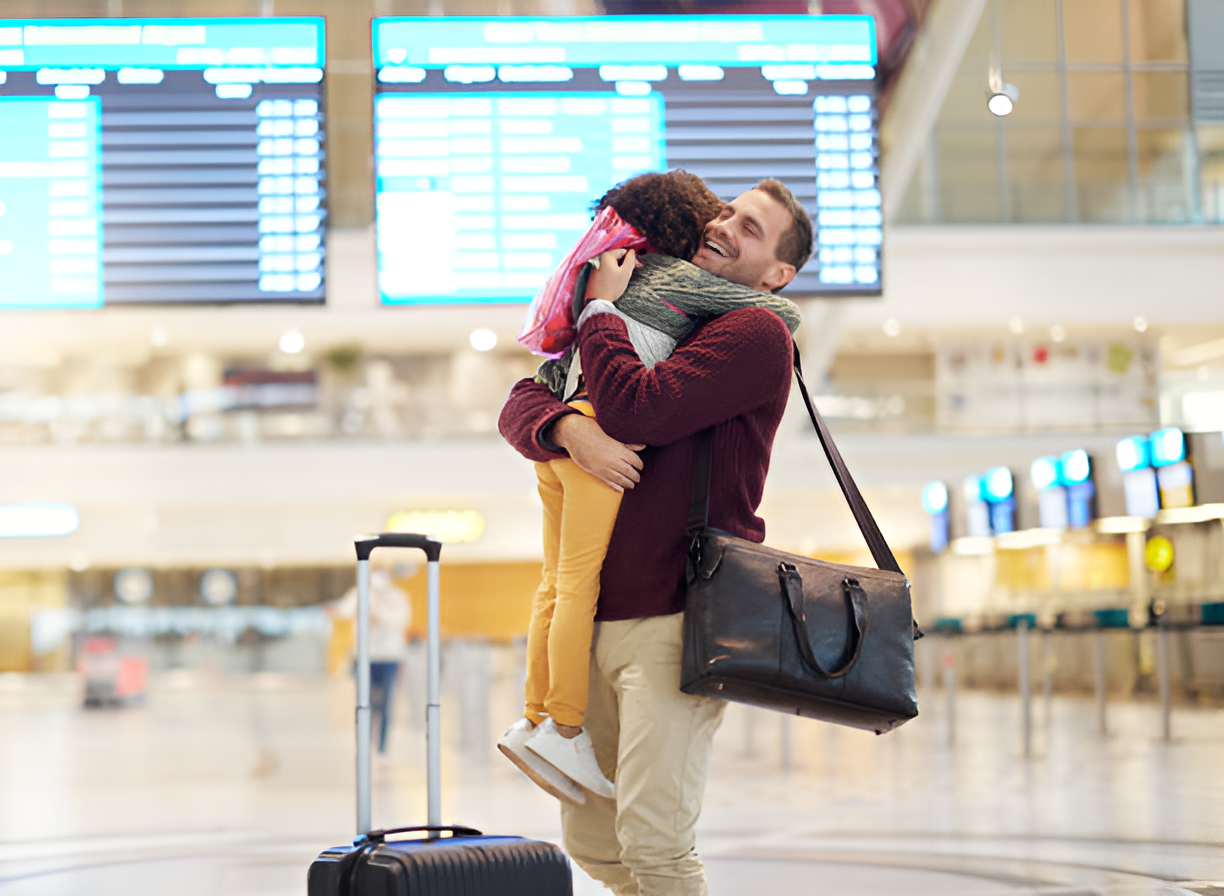
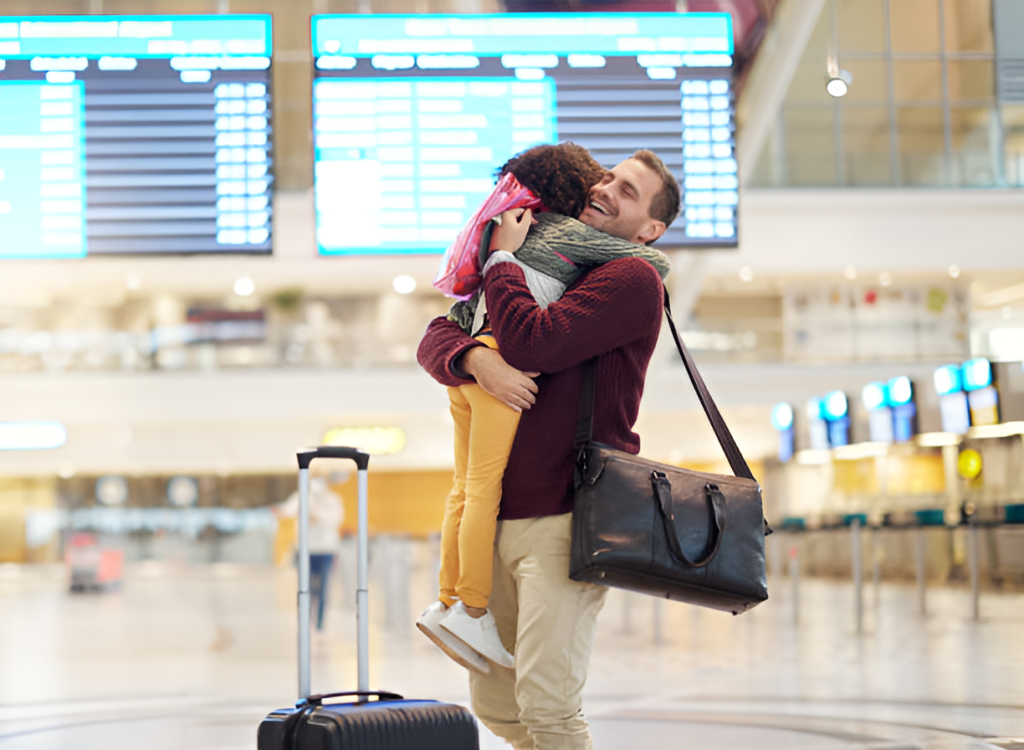
Contrast this with the arrival lounge, where the narrative shifts yet again, unspooling as laughter ripples through the throngs. Faces brighten, igniting with joy as souls collide after a tempestuous separation. Children race through the crowd, arms flung wide in bursts of uncontainable excitement, searching for the sanctuary of familiar embrace. Elders cradle each other in warmth, a testament to lives woven through decades spent in each other’s company, their aged hands trembling with gratitude and relief.
But amidst this joyous reunion lies a current of solitude; even in a crowd, some wander like lost whispers, seeking solace in the anonymity that envelops them. They drift through glassy corridors, eyes cast downward, thoughts dancing like shadows on their minds. Some find comfort in the pages of a novel—a sanctuary built of ink and imagination—while others succumb to the contemplative silence, wrapped in introspection that reveals the complexities of the human experience. Their solitary figures serve as silent witnesses to the symphony around them, embodying the truths of desire, loss, and search for connection.
Were an airport to emerge as a sentient being, it would carry the weight of every heartbreak and exaltation known to mankind, a profound archive of the human saga. It would resonate with every tear shed at bittersweet farewells and the exuberance of joyous reunions—the echoes of laughter mingled with muffled sobs, a testament to the intricate dance of hope and despair that boldly writes itself between the moments.
In the grand schema of life, these transit points stand as vital veins coursing with the lifeblood of our connections. They symbolize the sacred spaces forged in our shared experiences, where beginnings and endings merge in a ceaseless cycle. These are the places that cradle our joys, our sorrows, and the fleeting nature of time—a reminder of the profound truths inherent in our transient bonds. They capture the essence of our existence, a bittersweet celebration of the love we share and the spaces that separate us. Through the mounting intensity of every heartfelt farewell and the resplendent joy of reunions, the airport becomes an eternal testament to the intricate beauty and fragility that define the human condition.